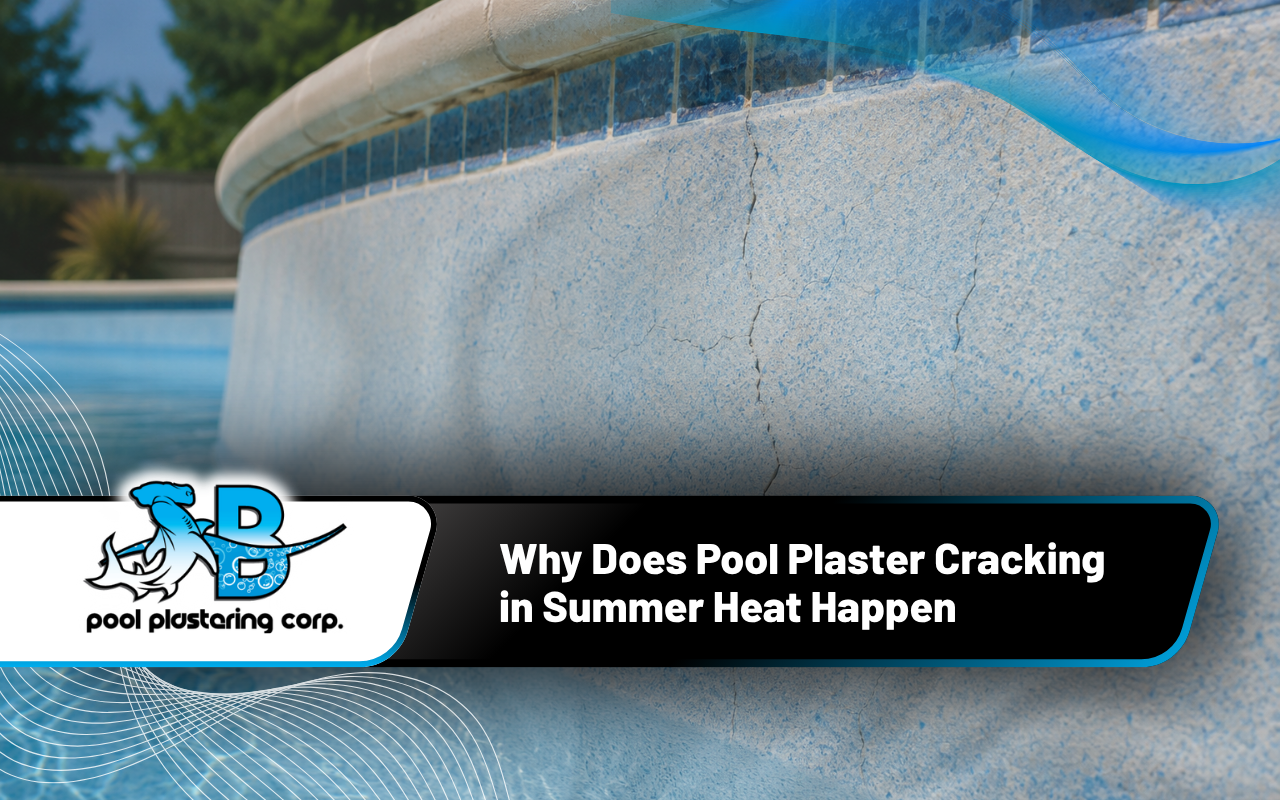
Why Does Pool Plaster Cracking in Summer Heat Happen?
Pool plaster cracking in summer heat happens when hot weather, water changes, and surface stress make the plaster expand, shrink, or weaken. Small cracks may look minor, but they can let water reach deeper layers and make future repairs more difficult.
Review your options early through our pool surface timing guide before the damage spreads.
Why Does Pool Plaster Cracking in Summer Heat Happen?
For many pool owners, plaster care starts with understanding the surface, the water, and the weather around the pool. Pool plaster protects the shell, gives the pool a smooth finish, and helps create a clean swimming surface. Homeowners need help when cracks, rough spots, or stains begin affecting comfort and appearance.
Prevent Pool Plaster Cracking in Summer Heat With Smart Care
Summer pool damage is easier to control when owners act before cracks spread. Heat, sunlight, water balance, and aging plaster can work together. At JB Pool Plastering, we check the surface, explain likely causes, and guide customers toward the safest next step.
Many cracks begin as thin lines near steps, corners, benches, or shallow areas. These spaces often heat faster than deeper sections. Because of that, early surface checks matter during long hot weeks.
- Look for new hairline lines after heat waves.
- Check rough spots around steps and edges.
- Watch for color changes near cracks.
- Keep water at the right operating level.
According to the National Plasterers Council, proper water chemistry, brushing, cleaning, and equipment care help protect the expected life of a pool finish. That makes routine care important before summer stress becomes visible damage.
Reduce Thermal Expansion Pool Plaster Stress During Hot Months
Thermal expansion pool plaster stress happens when plaster heats, expands, cools, and contracts. Repeated movement can create pressure inside a rigid surface. Over time, the pressure may show as pool plaster cracking in summer heat, especially when water levels or chemistry are not steady.
In warm Inland Empire weather, direct sun can heat shallow areas quickly. Cooler water can also pull heat from the surface fast. That temperature shift may increase stress in older plaster.
At JB Pool Plastering, we review signs of movement and help homeowners understand whether cracks look cosmetic or need deeper attention. Sudden draining during high heat can also add stress, so planning matters.
- Keep the pool filled to the proper level.
- Avoid long dry exposure in summer sun.
- Schedule major work during safer conditions.
- Ask about surface condition before refilling.
For more care tips, visit our pool finish maintenance tips.
Spot Hairline Cracks Pool Surface in California Early
Hairline cracks pool surface in California are common because heat, sun, soil movement, and water changes affect outdoor pools. These cracks may look small, but they can collect dirt, feel rough, or allow moisture to move behind weakened plaster.
Pool owners often first notice cracks after a heat wave or after the pool has been used heavily. A single fine line may not mean the shell is damaged. However, several lines, spreading cracks, or sharp edges deserve attention.
Useful warning signs include:
- Cracks that grow longer
- Rough edges that catch skin
- Plaster chips near the crack
- Stains forming inside the line
- Water loss that seems unusual
When customers contact JB Pool Plastering, we ask where the cracks appear and whether they changed recently. That helps us decide whether a repair review or Bloomington pool surface renewal may be needed.
Choose Pool Replaster Service in Bloomington, CA Carefully
A pool replaster service in Bloomington, CA can restore a worn surface when cracks, stains, or rough plaster make the pool harder to enjoy. The right service depends on the pool’s age, crack pattern, surface texture, and existing finish condition.
Not every crack requires a full replaster. Some surface issues can be reviewed before a larger project is recommended. However, widespread cracking, rough plaster, and loose areas may point to deeper finish wear.
With JB Pool Plastering, customers get clear guidance before work begins. We review visible damage, explain finish options when relevant, and discuss what the pool may need. The goal is a safer, smoother surface that fits the actual condition of the pool.
Decision factors usually include surface age, crack depth, comfort, appearance, and whether the damage keeps returning. Homeowners can also learn more from our local replaster options.
Guide Each Pool Owner Through The Review Process
A clear review process helps homeowners understand what happens after they reach out. We ask about the pool surface, crack location, water condition, and recent changes. Then we explain the next practical step without promising results before the pool is reviewed.
After a customer contacts JB Pool Plastering, we start with simple questions. Photos may help us understand the concern before an appointment. During the review, we look for visible cracking, loose plaster, stains, rough areas, and signs of water-related wear.
- We ask when the cracks appeared.
- We review the affected pool areas.
- We explain possible causes in simple terms.
- We discuss repair or replaster options.
- We help plan the next step.
The CDC says pool owners should regularly test chlorine and pH to help protect swimmers. Balanced water also supports better pool care decisions, especially when plaster already shows wear.
Frequently Asked Questions
Why pool plaster cracks in summer so often?
Summer heat makes plaster expand during the day and contract as temperatures drop. That movement can stress older or weakened surfaces. Low water levels, poor water balance, and past installation issues may also make pool plaster cracking in summer heat more likely.
Are small pool plaster cracks always serious damage?
Small cracks are not always structural, but they should be watched. A fine line may stay cosmetic, while spreading cracks can signal deeper wear. Our surface replacement timing advice can help owners understand when to act.
Can water chemistry affect pool plaster during summer?
Yes, water chemistry can affect plaster condition. Very low pH may be harsh on pool surfaces and equipment. High mineral levels may lead to scale. Review our plaster care and water balance tips for simple maintenance guidance.
When should I schedule a plaster inspection locally?
Schedule a review when cracks spread, edges feel rough, plaster chips, or stains form inside cracks. Bloomington and nearby California pool owners should not wait if damage changes after hot weather, draining, refilling, or long periods of direct sun.
Who can help with cracked plaster in Bloomington?
Homeowners can contact our team for a surface review and clear next steps. We look at visible damage and explain repair or replaster options. Start through our pool surface consultation request page when cracks become noticeable.
Protect Your Pool Finish Before Summer Damage Spreads
Small cracks are easier to manage when they are reviewed early. If your pool shows rough plaster, spreading lines, or heat-related wear, our team can help you understand the next step. Reach out through our request pool surface help page and keep your pool more comfortable through summer.
References
Subscribe to Download Pool Maintenance 101 Guide
Fill the Form and Start Taking Care of Your Pool




Contact Us Now
Get Your Pool Quote!