What Should Homeowners Expect During the Pool Construction Process?
The pool construction process moves from design, permits, excavation, plumbing, shell work, finishes, equipment, and final checks. Each stage protects safety, structure, and long-term use, especially for California homeowners planning a custom backyard pool.
Our custom pool planning page can help you see what a complete project may include.
Define Pool Goals Before Layout And Feature Decisions Begin
Clear goals help the pool design match daily use, yard size, and maintenance needs. Before plans move forward, we ask how the pool will be used. We also review who will swim and which features matter most.
At JB Pool Plastering, we review the space, desired style, and customer ideas early. A family pool may need shallow areas, while a lap pool needs a longer shape. Entertainment spaces may need decking, lighting, or seating.
- Family use may need safe entry points.
- Fitness use may need longer swim lanes.
- Relaxation areas may include benches or spa features.
- Outdoor living plans may need deck space.
Our team also handles Residential and Commercial Services, so the planning conversation can match homes, rental properties, shared spaces, or business needs.
Compare Pool Construction Steps With California Permit Requirements
Permits, plans, and inspections shape the pool construction steps before major work begins. In California, homeowners should understand local approvals, safety rules, and code checks. These items can affect the schedule and project order.
The California Contractors State License Board notes that swimming pool projects involve important contractor, contract, and safety considerations. Our company is Licensed # 1062298, bonded and insured, which helps customers feel prepared before the project moves forward.
Homeowners often compare design choices first, but paperwork also matters. The main decision points include:
- Permit needs based on city rules.
- Property setbacks and usable yard space.
- Access paths for equipment and materials.
- Safety features required before completion.
When customers contact JB Pool Plastering, we discuss project goals first. Then we help them understand what must happen before construction can move forward.
Map Building A Pool California Timeline Expectations Clearly
A building a pool California timeline can change for many reasons. Design reviews, permits, inspections, weather, materials, and site conditions can all affect timing. A clear schedule helps homeowners know what stage comes next.
Most new builds follow a steady order. First, the design and permit stage sets the plan. Then crews prepare the site, shape the pool, install systems, apply finishes, and complete final checks. Inground pool construction in Inland Empire yards may also need extra planning for slope, soil, or limited access.
For better planning, keep these timeline factors in mind:
- Permit review may affect the start date.
- Inspections may pause work between stages.
- Weather can affect excavation and finish curing.
- Custom features may add coordination steps.
With JB Pool Plastering, you get clear guidance before each phase, supported by 20+ years of experience in pool construction, plastering, remodeling, and related pool work.
Prepare The Site Carefully For Stable Pool Work
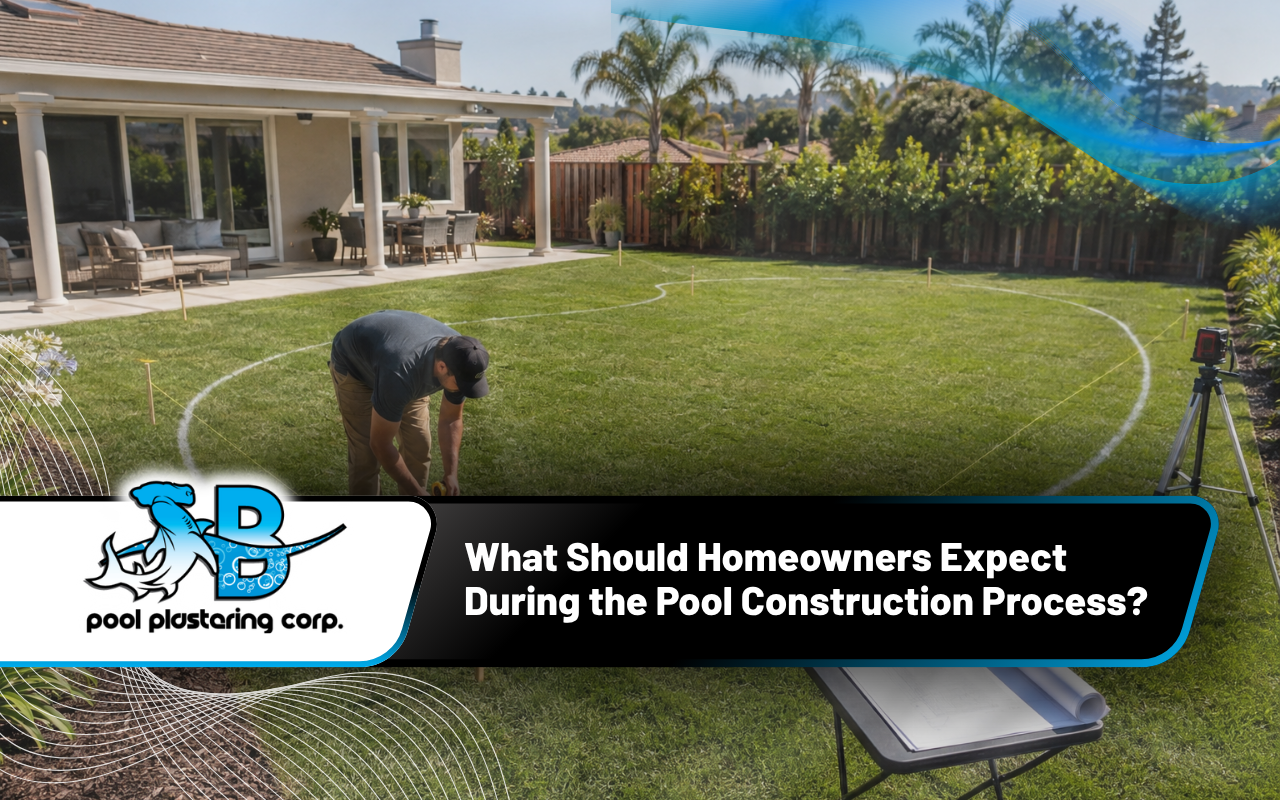
Site preparation turns the approved design into a workable construction area. Crews mark the layout, protect access routes, remove soil, and shape the pool cavity. This work prepares the space for plumbing, steel, and concrete.
Excavation is often the first visible stage of the pool construction process. During this phase, we check the layout, depth zones, and access needs before the project advances. Proper preparation helps reduce problems with uneven shaping, poor drainage, or difficult equipment placement.
Plumbing and electrical routes also begin around this stage. Pipes support circulation, filtration, heating, and cleaning systems. Electrical work supports pumps, lights, and controls. These systems must be placed carefully because they support safe water movement and daily pool operation.
Before shell work begins, our team reviews site conditions. We also explain any practical concerns that may affect the next phase or the final pool layout.
Coordinate Shell Finish Equipment And Final Review Carefully
The shell, surface, and equipment stages turn the excavated space into a usable pool. Each step must connect correctly. The structure, finish, plumbing, electrical system, and deck area all affect long-term performance.
Steel reinforcement gives the concrete shell support. Shotcrete or gunite then forms the pool basin, including steps, benches, and curves. After curing and inspection, the selected surface finish gives the pool its final color, feel, and texture. Plaster, quartz, and pebble finishes each create a different look and maintenance experience.
After finishing, equipment is connected and tested. We check pumps, filters, lights, controls, and water flow. The CDC explains that safe swimming depends on reducing injury and illness risks. That is why water quality and safe operation matter after construction ends.
During the final walkthrough, JB Pool Plastering explains basic care, startup needs, and next steps. Customers can also contact our team with project questions.
Follow Our Booking Process For A Smoother Project
A clear booking process helps homeowners know what information to share. It also explains what to expect before construction starts. When you reach out, we first review your goals, location, pool ideas, and yard condition.
At JB Pool Plastering, we guide customers through the early project review before major decisions are made. This helps us understand the pool size, features, access needs, and any concerns about the property. Then we explain the next practical step.
- Share your address and project idea.
- Tell us how you plan to use the pool.
- Review design needs, access, and site limits.
- Discuss permits, inspections, and construction stages.
- Plan the next appointment or project review.
This process keeps expectations clear and helps homeowners prepare for each construction stage before work begins.
Frequently Asked Questions
How long can a new pool build take?
A new pool build can take several months because design, permits, inspections, excavation, shell work, finishes, and equipment checks must happen in order. Your exact schedule depends on the yard, city review, material choices, and project details.
What affects the pool construction process the most?
The pool construction process is most affected by permits, site access, soil conditions, design changes, inspections, weather, and finish selections. To review your project needs, you can schedule a project review before final decisions are made.
Which features should homeowners choose before permits begin?
Homeowners should choose the pool shape, depth, entry style, lighting, water features, finish type, and equipment location before permits begin. Early choices reduce redesign delays and help the approved plan match the final backyard layout.
Do Inland Empire yards need special pool planning?
Many Inland Empire yards need planning for sun exposure, slope, drainage, equipment access, and outdoor living space. Our new pool design guidance can help you think through those choices before construction begins.
When should I contact a pool builder first?
You should contact a pool builder when you have a general idea of your yard goals, even if the design is not final. Early guidance helps you understand feasibility, permit steps, and options. Start by using our pool project contact form.
Start Your Backyard Project With Clear Next Steps
The right plan makes a new pool easier to understand from the first conversation to the final walkthrough. If you are ready to discuss layout, materials, timing, or inground pool construction in Inland Empire areas, request pool project help and share your ideas with our team.
References
- Special Considerations for Swimming Pool Construction
- Guidelines for Keeping Your Pool Safe and Healthy
Subscribe to Download Pool Maintenance 101 Guide
Fill the Form and Start Taking Care of Your Pool




Contact Us Now
Get Your Pool Quote!