When Should You Plan Pool Resurfacing Before Summer Use?
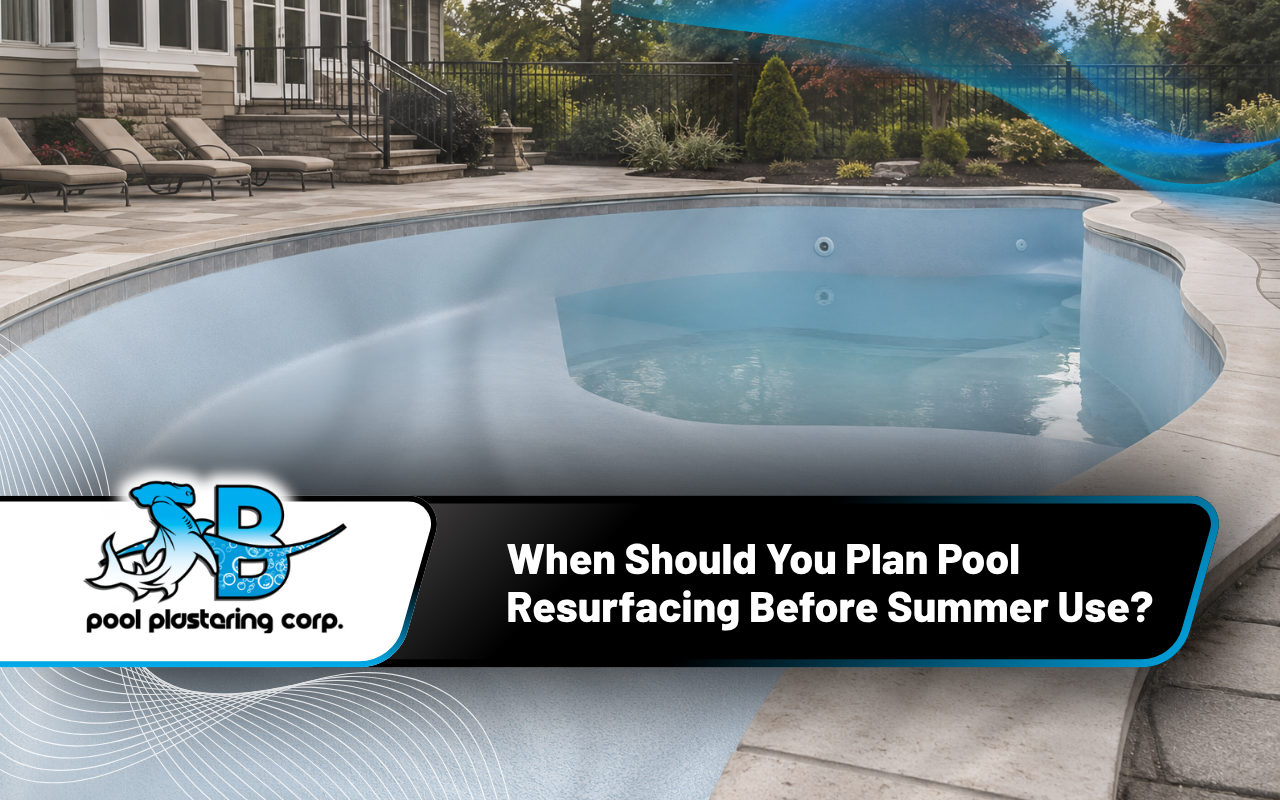
Pool resurfacing should be planned when the finish feels rough, shows stains, or starts peeling. A new surface helps protect the pool shell, improves comfort, and prepares the pool for safe summer use.
When Should You Plan Pool Resurfacing Before Summer Use?
If your backyard pool in Bloomington needs a cleaner finish before heavy swim season, pool services can help you compare repair, plaster, and remodeling options without guessing.
For homeowners, the resurfacing process restores the inside finish of a swimming pool. It helps families with worn plaster, cracks, stains, or sharp areas that affect comfort and appearance. At JB Pool Plastering, we review the surface condition and explain practical options before work begins.
Spot Early Surface Damage Before Bigger Repairs Grow
Visible wear is often the first sign that a pool needs attention. Rough plaster, stains, peeling spots, and small cracks can worsen when water chemistry, heat, and daily use keep stressing the surface.
Small surface problems can spread if they are ignored for too long. During warm California months, swimmers may notice sharp patches on steps, benches, or shallow areas first.
Common Signs Your Pool Surface Needs Attention
- Rough areas that scrape feet
- Stains that return after cleaning
- Peeling or flaking finish
- Cracks near steps or corners
- Discoloration across large sections
- Sharp spots on benches or shallow areas
A damaged finish can make cleaning harder and may hide deeper repair needs. When customers contact JB Pool Plastering, we ask what they see, where the damage appears, and how long the problem has been present.
Compare Finish Options for Long-Term Backyard Value
The right finish depends on your budget, style, pool use, and care routine. Plaster, quartz, and pebble finishes each offer different benefits, so homeowners should compare more than the first project cost.
Traditional plaster can give many pools a clean, smooth look. Quartz may add more color options and better resistance to daily wear. Pebble or aggregate finishes can create a textured look and a strong surface, but they may feel different underfoot.
Pool Finish Comparison
| Finish Option | Helpful Benefit | Best Fit |
|---|---|---|
| Plaster | Classic smooth finish | Simple resurfacing plans and clean pool updates |
| Quartz | Added surface strength and color choice | Homeowners who want a durable pool surface in Bloomington, CA |
| Pebble | Textured, natural look | Decorative upgrades and stronger visual detail |
A durable pool surface in Bloomington, CA starts with honest material guidance. With JB Pool Plastering, you can discuss finish feel, appearance, care needs, and project goals before choosing the surface.
Key Takeaway
Early signs like rough plaster, stains, cracks, and peeling should not be ignored. Comparing finish options helps you choose a surface that fits your pool and how your family uses it.
Schedule Pool Resurfacing Before Seasonal Demand Increases
Pool resurfacing is easier to plan when homeowners act before peak swimming demand. Booking early gives more time to inspect damage, choose materials, and prepare the pool area.
Many families are already thinking about pool resurfacing summer 2026 because they want the pool ready before gatherings, school breaks, and weekend use. Waiting until the busy season can make planning harder.
Weather, material selection, surface repairs, and refill steps can all affect the project timeline. Planning ahead helps you avoid rushing important decisions.
Plan Resurfacing Before Fall in California
Pool resurfacing before fall in California can help homeowners address summer wear before cooler months arrive. This timing may be useful when the finish looks tired after heavy use.
A late-season review can also help our team check cracks, stains, rough areas, and worn plaster before they become larger concerns. If the surface feels sharp or looks uneven, it may be time to discuss resurfacing options.
According to the CDC, chlorine and pH are the first defense against germs in home pools. Balanced water also helps support a cleaner pool environment after resurfacing.
Key Takeaway
Plan resurfacing before the busiest swim season or before fall. Early scheduling gives you more time to review damage, compare finishes, and prepare the pool area.
Prepare the Pool Area for a Smoother Appointment
Good preparation helps the resurfacing appointment move with fewer surprises. Before work starts, the pool condition, access points, existing finish, and visible damage should be reviewed clearly.
After you contact JB Pool Plastering, we ask about the pool size, surface age, visible damage, and project goal. We may also ask for photos of stains, cracks, rough spots, or past repairs.
Before Your Pool Review
- Review the visible surface damage.
- Discuss finish options and project needs.
- Prepare clear access around the pool.
- Check plaster, tile, steps, and corners.
- Move furniture, loose items, and debris away from the pool.
- Ask questions about the next steps before work begins.
For questions about scheduling, contact our team and share what you want fixed.
Protect the New Finish With Better Pool Care
A resurfaced pool needs careful startup and regular maintenance to keep the finish smooth. Water balance, brushing, filtration, and routine checks help reduce staining, scaling, and early wear.
Fresh plaster and other finishes need the right care after the pool is refilled. We explain what to watch for, what to avoid, and when to brush or test the water.
New Surface Care Tips
- Test pH and sanitizer levels regularly.
- Brush the surface as directed.
- Remove leaves and dirt quickly.
- Watch for new stains or scale.
- Keep filtration working properly.
- Follow startup care guidance after refilling.
Poor water balance can shorten surface life and cause avoidable marks. When resurfacing leads to broader updates, our available pool upgrades may also help improve long-term pool care.
Key Takeaway
A new pool finish still needs proper care. Good water balance, brushing, cleaning, and early checks help protect the surface after resurfacing.
Frequently Asked Questions
How do I know my pool surface needs work?
Your pool may need attention when the finish feels rough, shows stains, flakes, or has visible cracks. If cleaning no longer improves the surface, ask for a review through our contact page.
Which pool finish is easiest to maintain after resurfacing?
The easiest finish depends on your pool use, water care, and surface preference. Quartz and pebble options may offer stronger wear resistance, while plaster gives a smooth classic look.
Can resurfacing help improve swimmer comfort in summer?
Yes. Resurfacing can remove rough, sharp, or worn areas that bother swimmers. A smoother finish can make steps, benches, and shallow areas more comfortable during heavy summer use.
Should I resurface before selling a California home?
A clean pool surface can improve buyer confidence because the pool looks and feels better. The right choice depends on current surface damage and your selling timeline.
What should I share before booking a pool review?
Share the pool size, surface age, photos, stains, cracks, rough spots, and any past repairs. These details help us understand the issue before the appointment.
Restore Your Pool Surface With Clear Next Steps
Pool resurfacing can make your backyard smoother, cleaner, and easier to enjoy. At JB Pool Plastering, we help homeowners review surface damage, compare finish choices, and plan practical next steps.
To begin, schedule a pool review and tell us what you want to improve.
References
Subscribe to Download Pool Maintenance 101 Guide
Fill the Form and Start Taking Care of Your Pool




Contact Us Now
Get Your Pool Quote!